Making a music video on a massive screen in record time
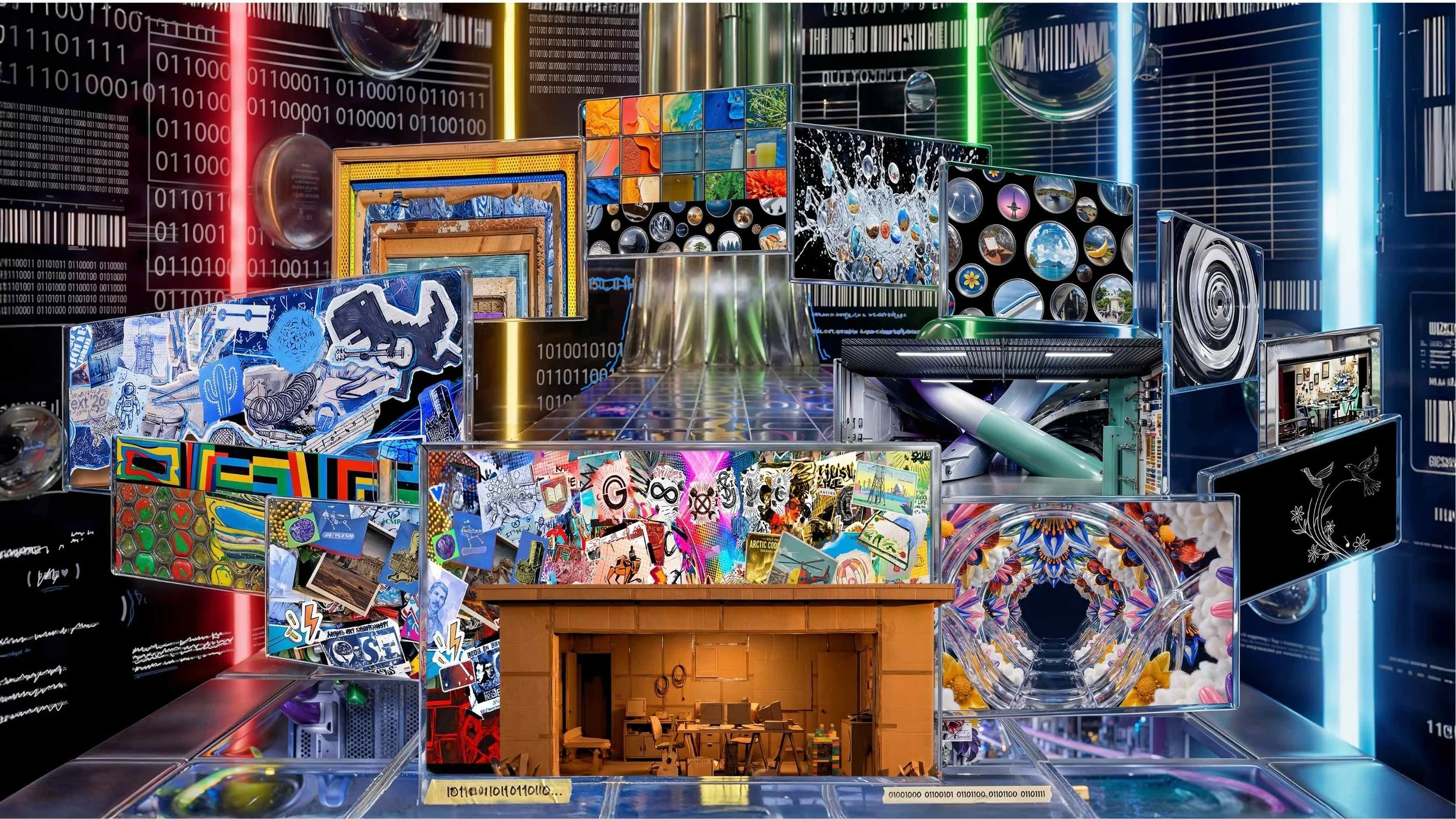
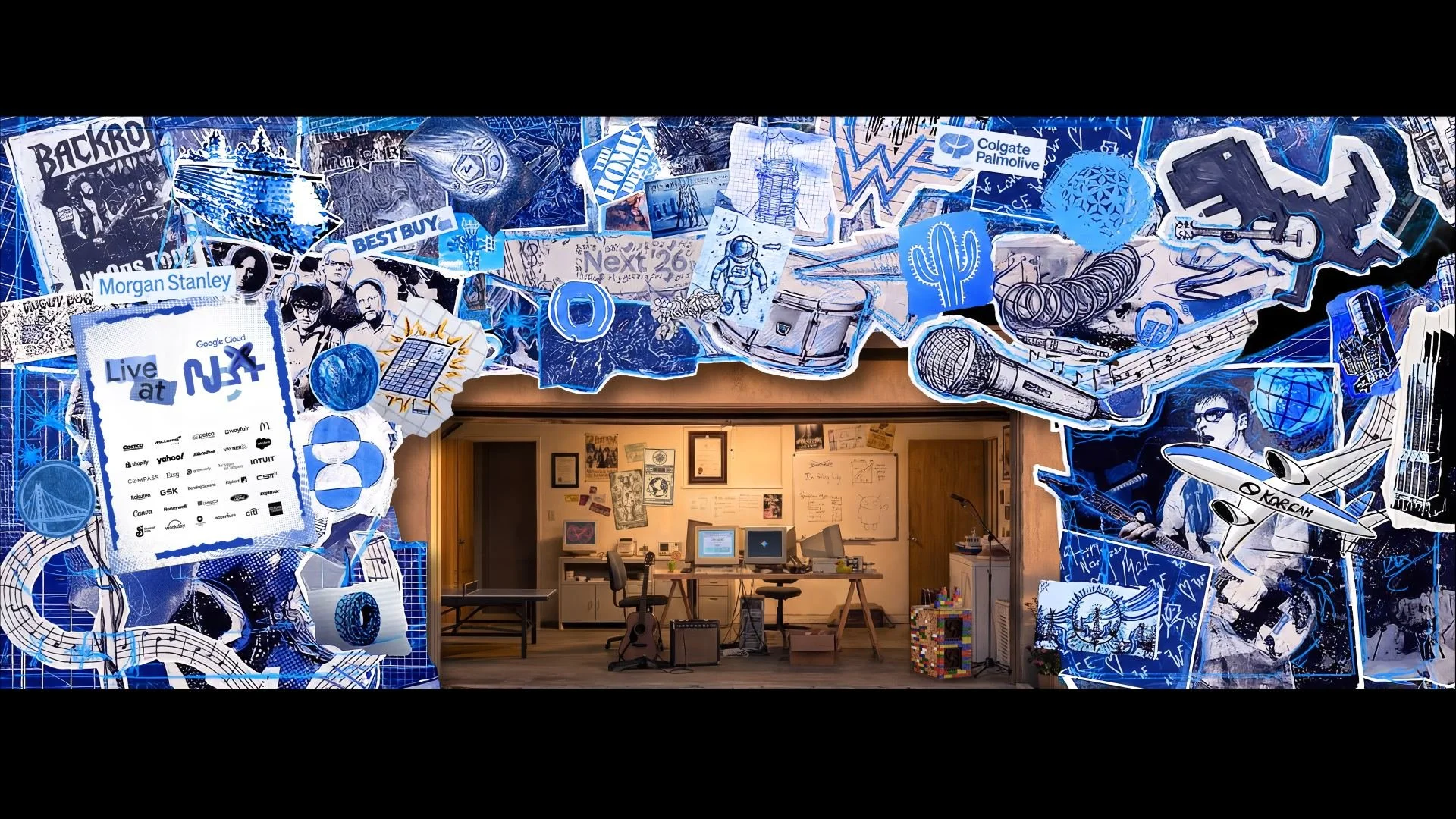
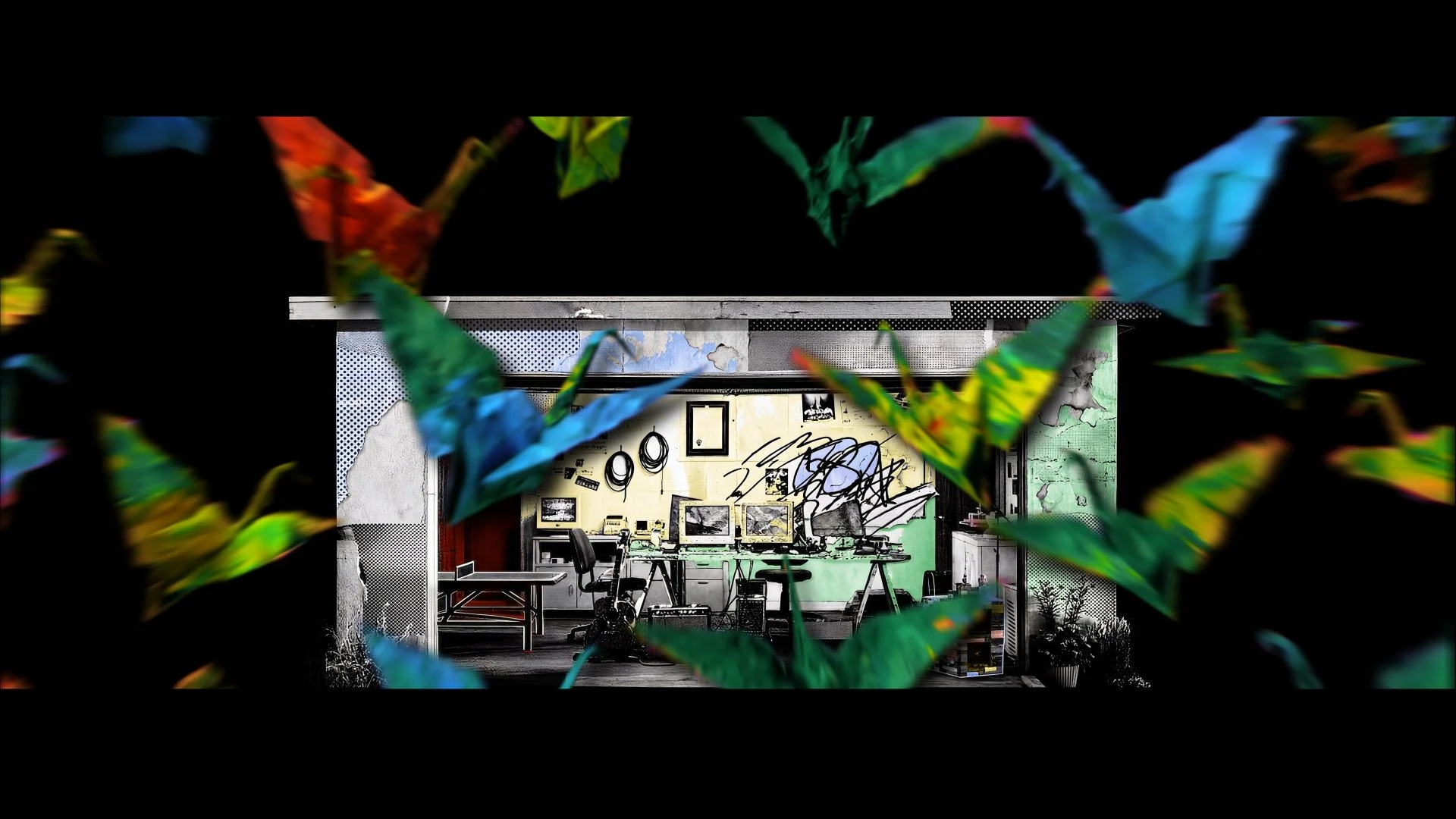
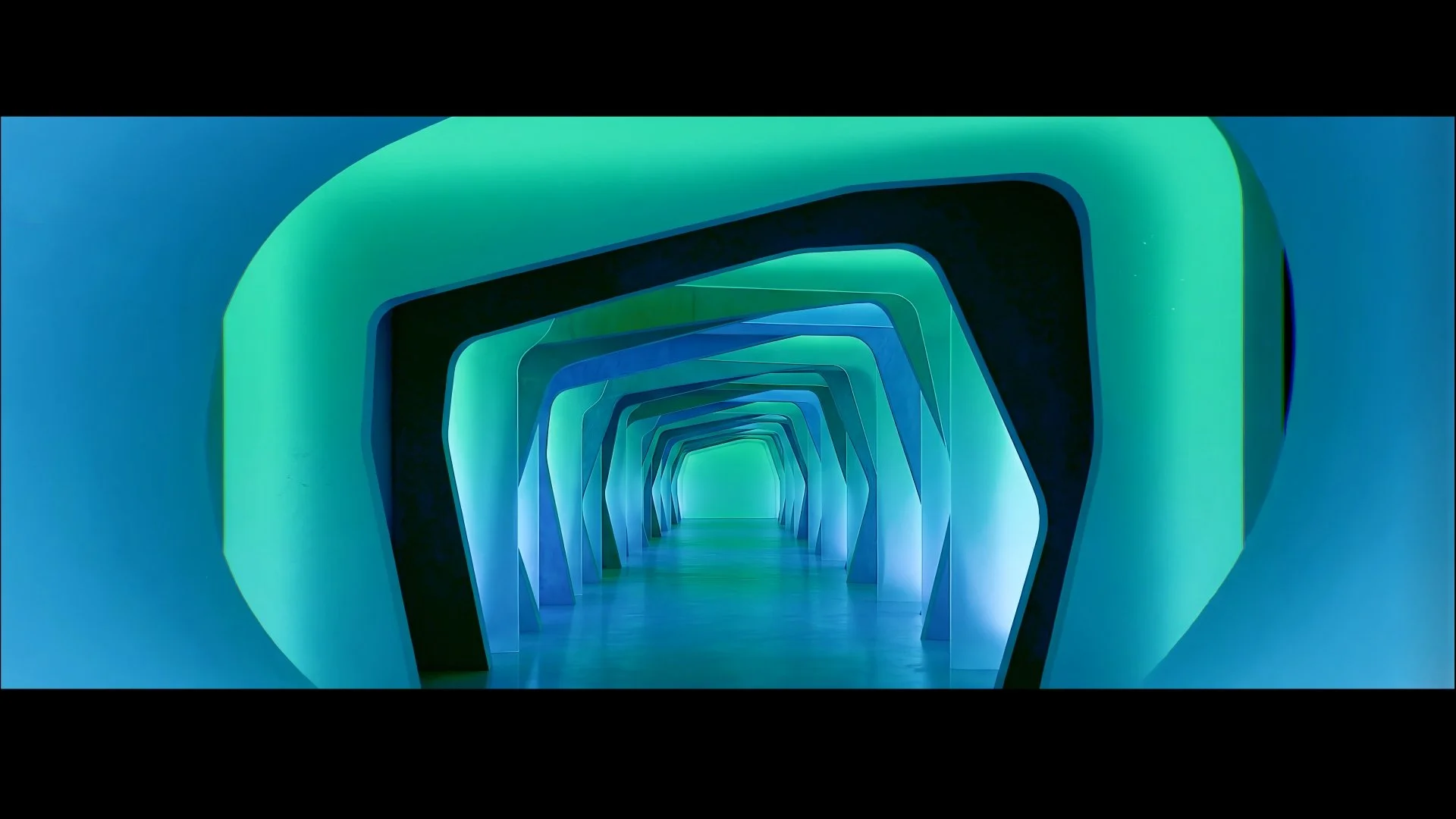
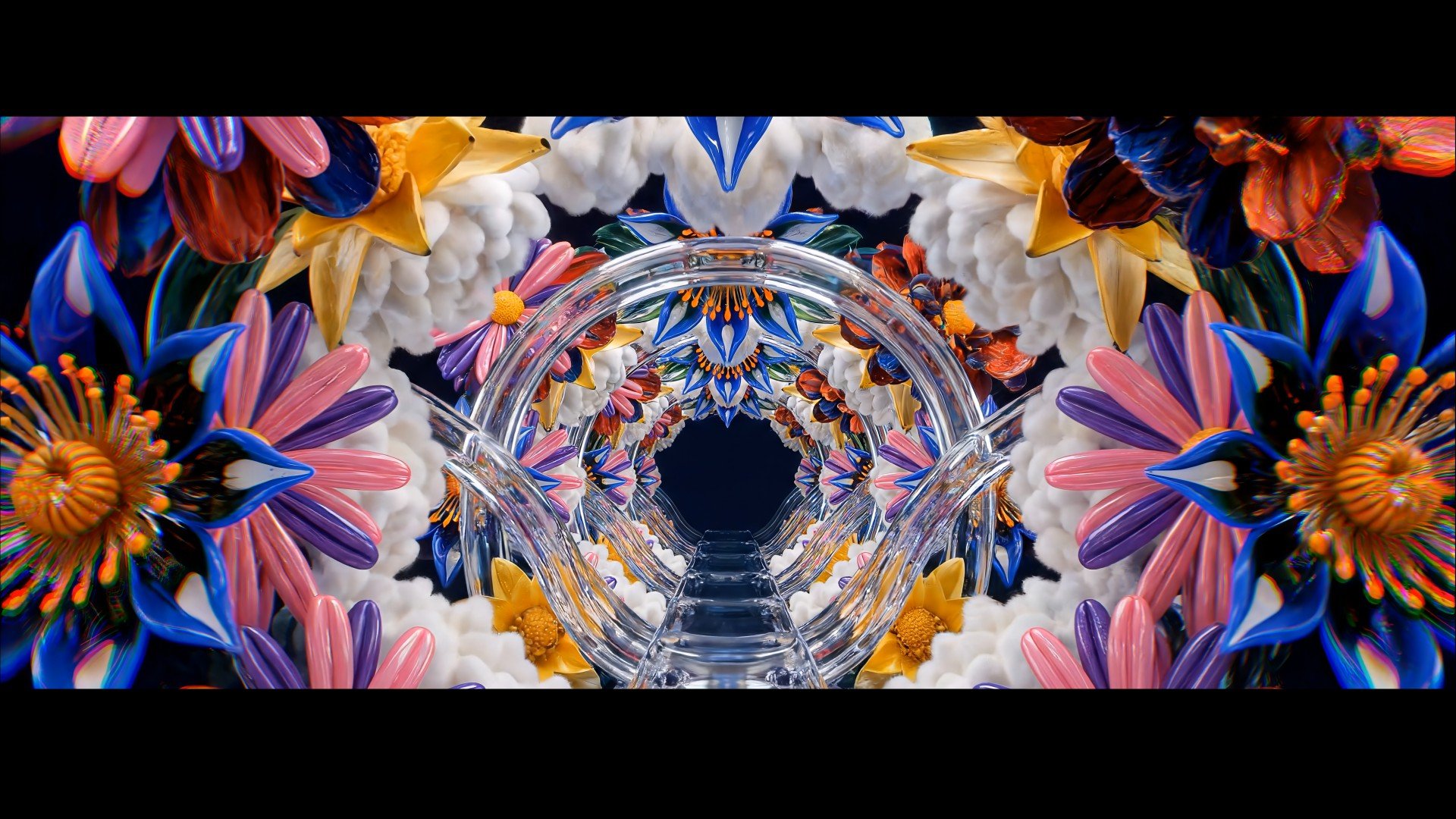
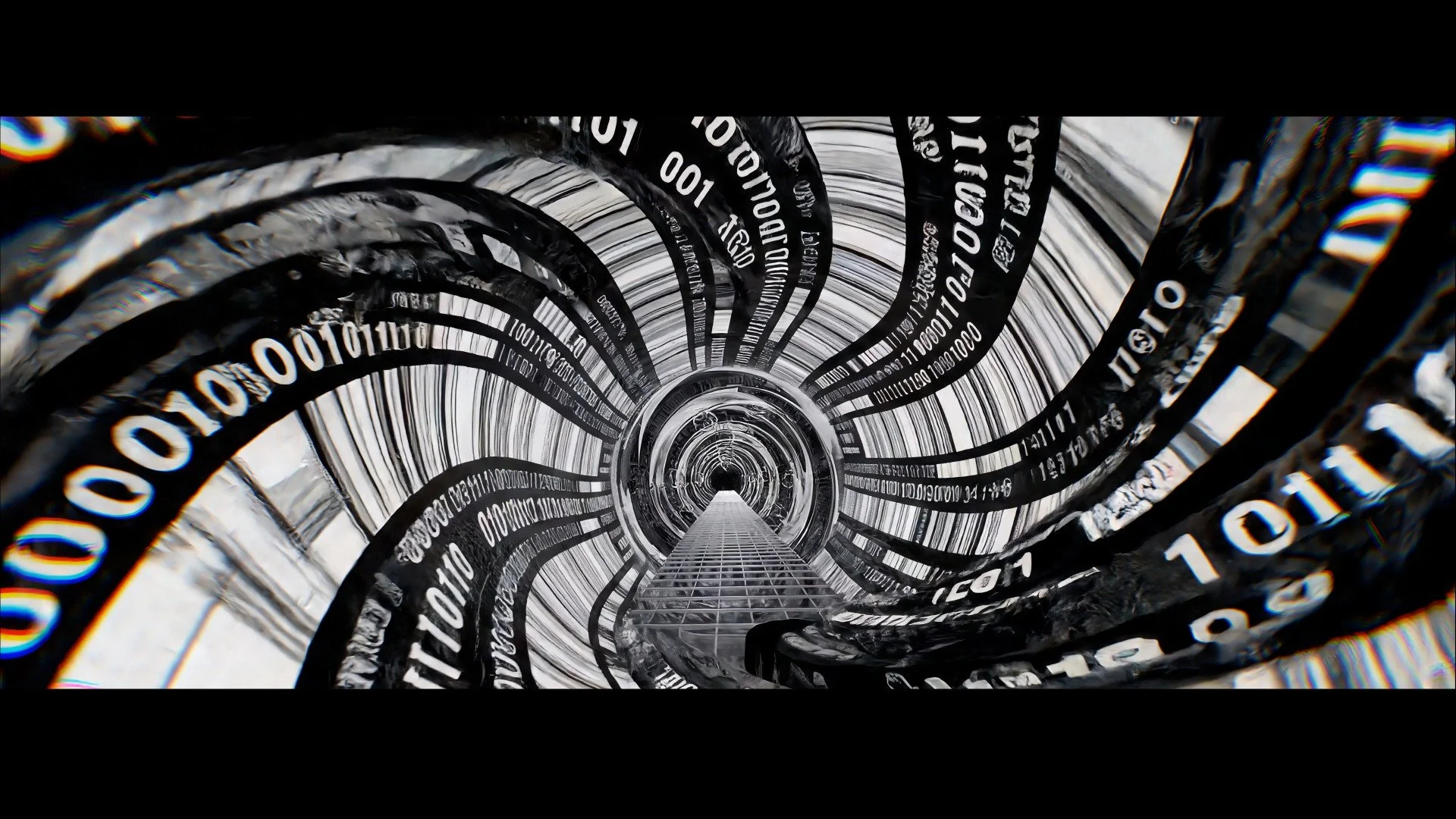
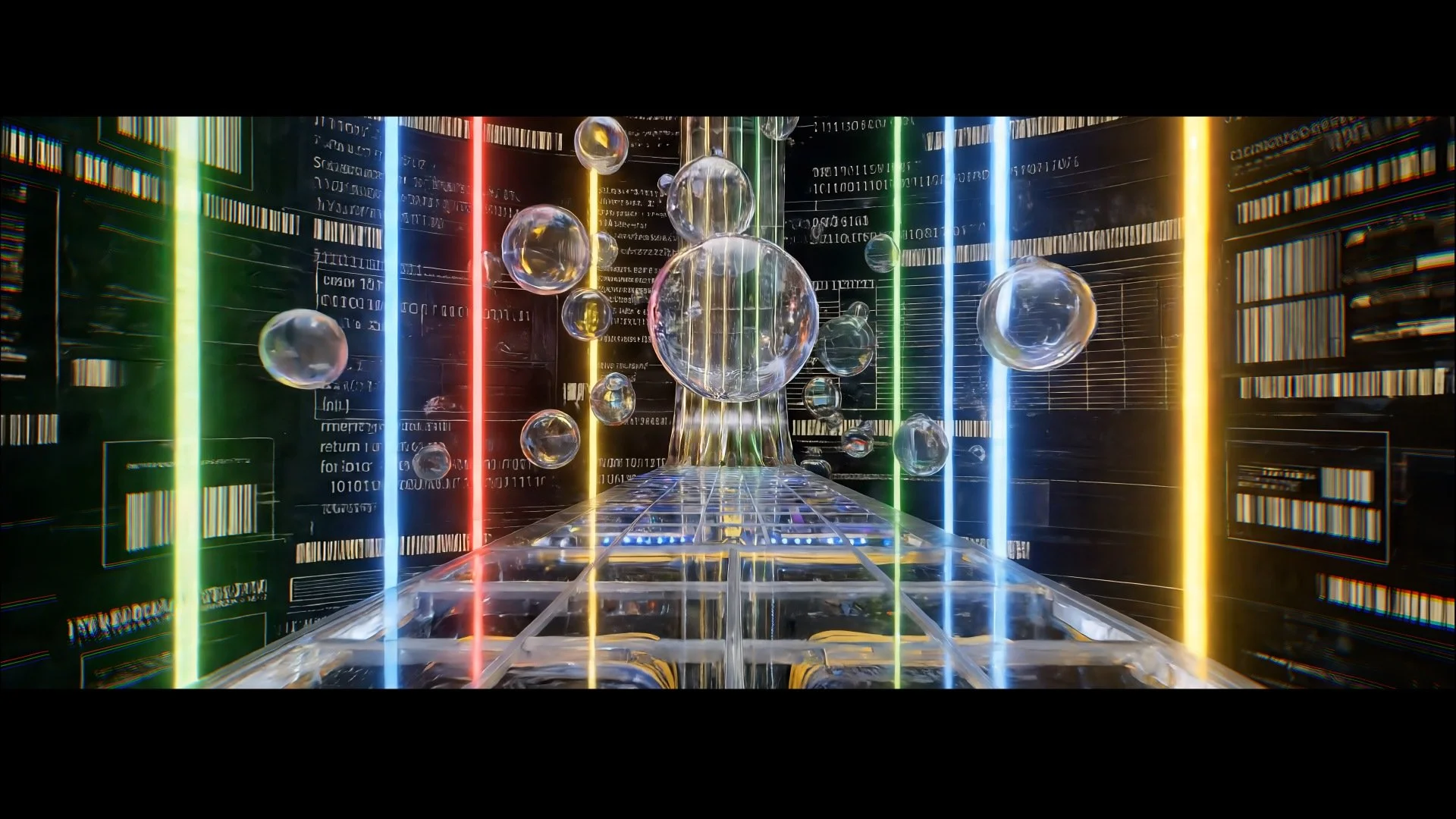
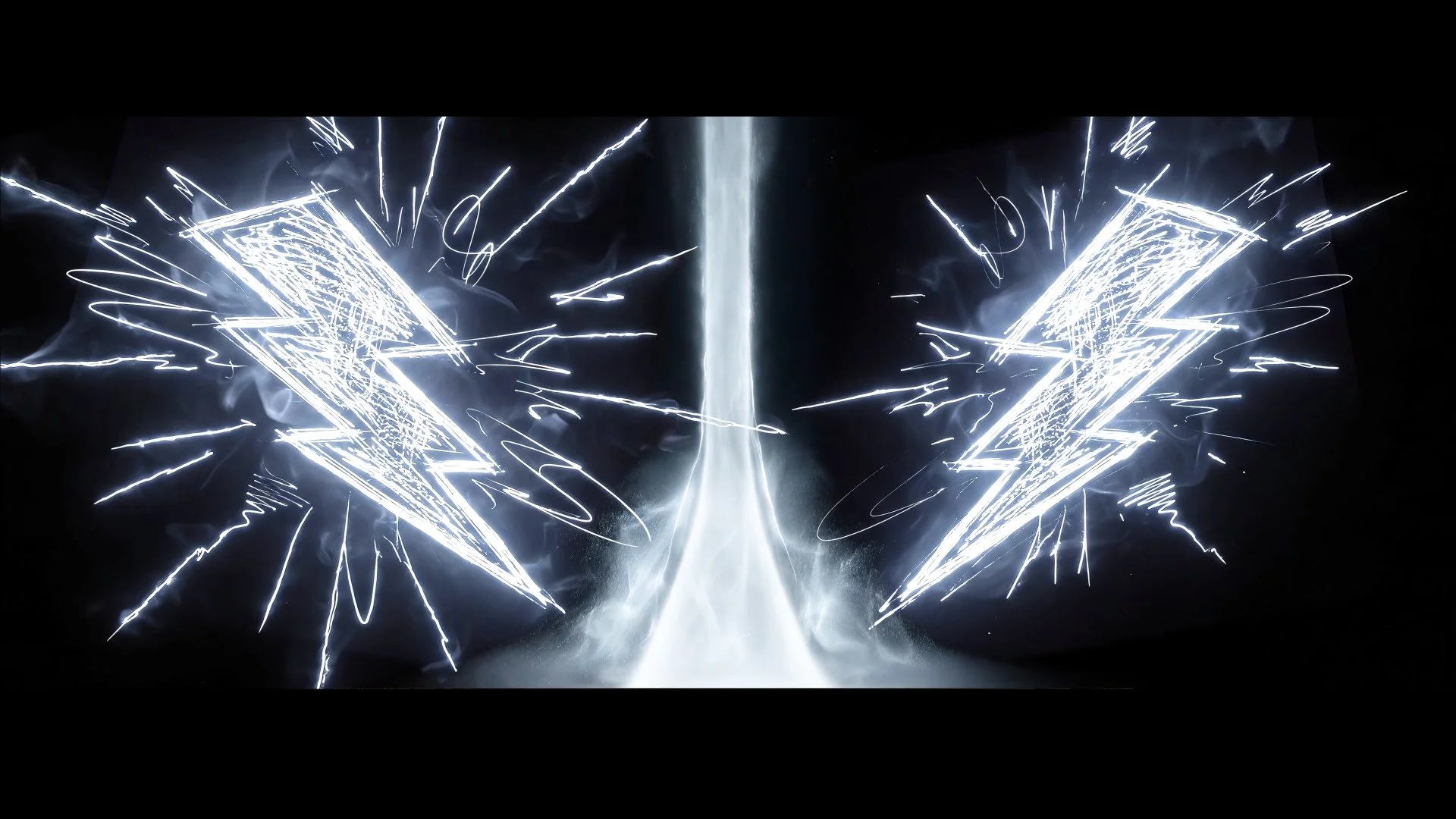
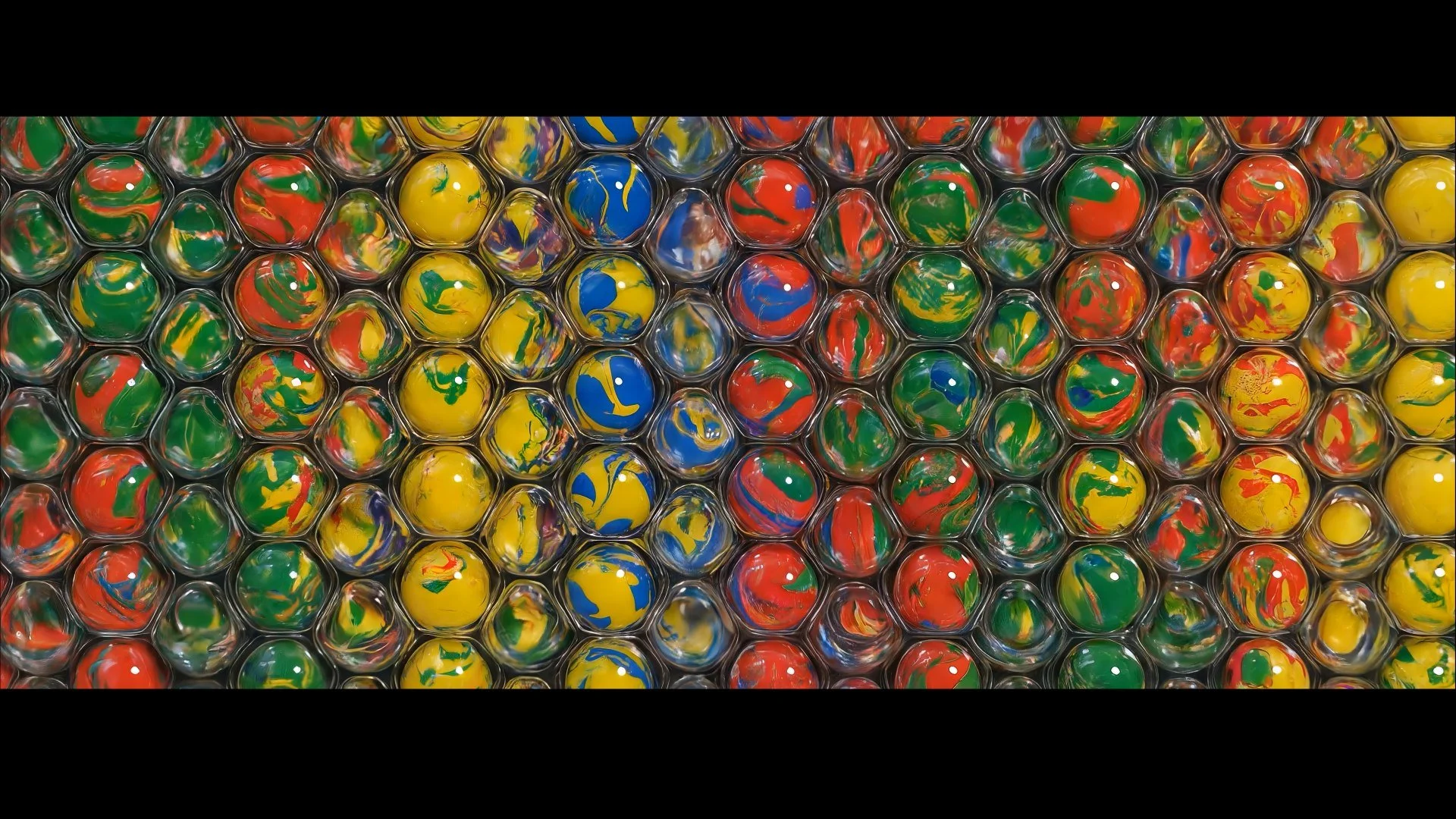
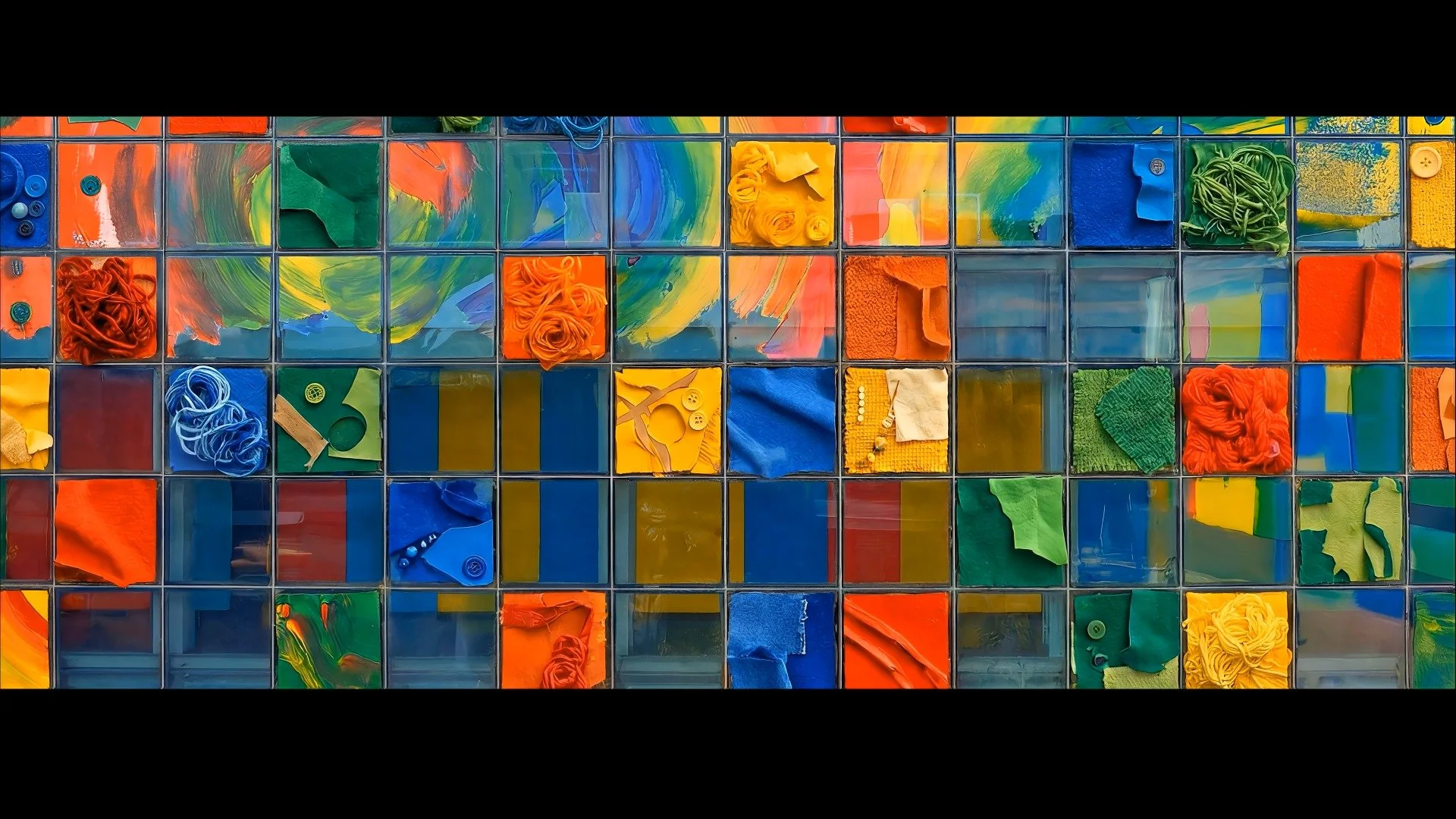
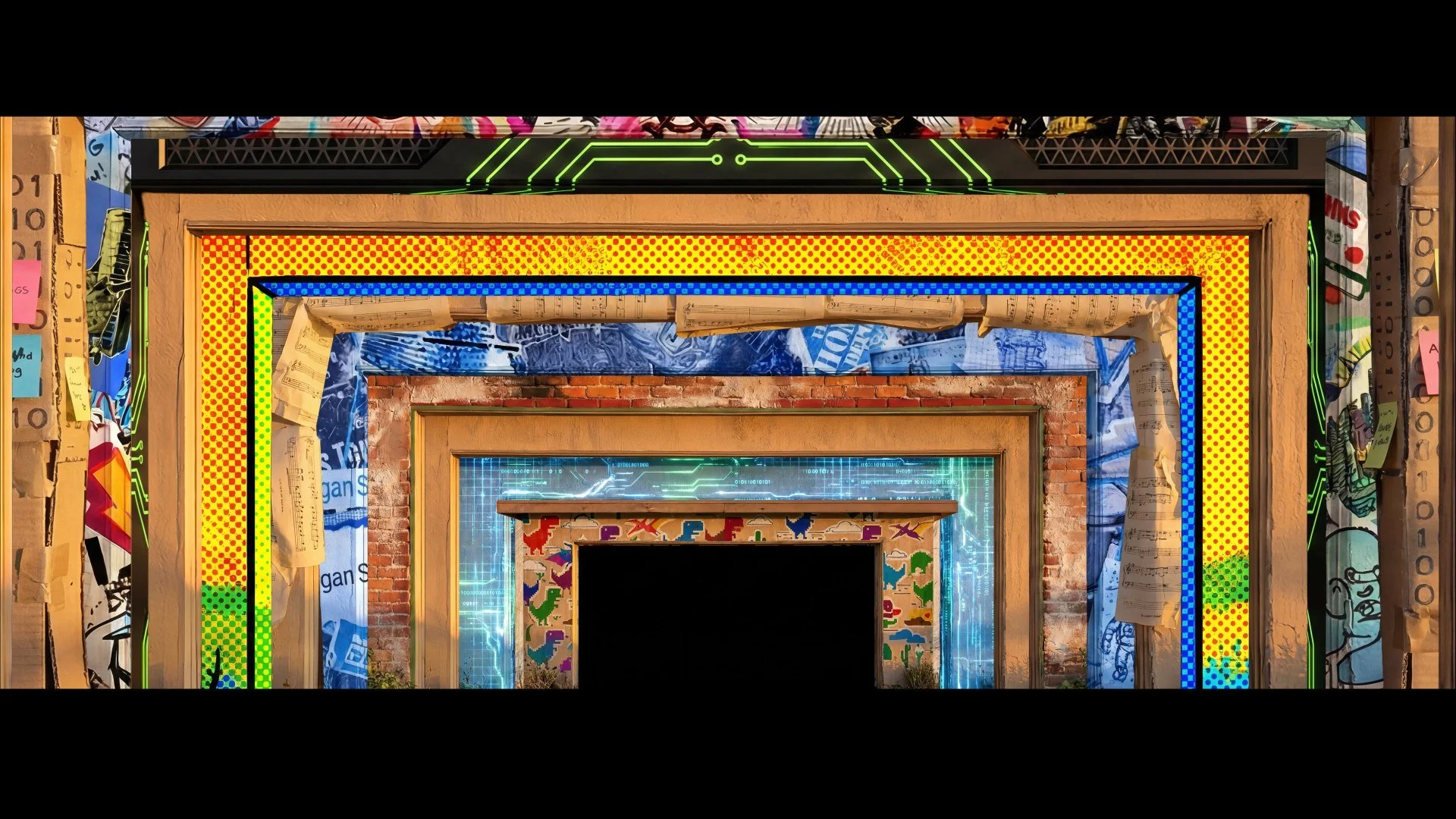
Google Cloud Next ‘26 opened with a high-energy nod to the garage-born roots of the company, set to the distinct sound of Weezer. As 'In the Garage' blasted out, the visuals took the audience on a journey through Google's biggest milestones – from a humble Silicon Valley garage, through to the invention of the Transformer, and all the way to the world of agentic AI today. The message was simple: while the tech has evolved, the ‘garage spirit’ required to build something from nothing remains the same.
You can check out the full keynote, with our music video opener, right here.
Led by Creative Director Addison Herr, Visual Effects Supervisor Alex Henning, and Executive Producer Daisy Leak, this production served as a high-octane proof of concept for the future of content creation. Here’s a look behind the scenes at how it all came together.
Our proprietary platform, Nodey
Traditional production for a CGI-heavy, era-spanning music video would typically take months of rendering, animating, and editing. We completed this project – from initial concept animatic to final high-definition render – in 17 days.
Art Lead Emerick Tackett and Producer Eugenia Chung steered a massive effort that combined traditional artistry with emerging AI workflows using Nodey to move at speed without compromising the quality bar.
Nodey is our web-based workspace that creates a unified, secure experience for world-building and content creation. We built it to solve many of the challenges we’ve experienced when using generative media and agents in an enterprise environment.
Here’s how our creative team used Nodey on this project:
Stopping the tab shuffle
Using AI for video creation often means time wasted jumping between many different websites and apps to generate images, then video, then upscaling them. Nodey brought all those tools, including Gemini and Veo 3.1, onto a single, unified canvas so the team never had to leave the workspace.
Mapping the journey in record time
We didn't wait weeks to see if a concept worked. Starting with a storyboard from Google, Creative Director Addison Herr used Nodey to build a full low-res, pre-viz video in just two days. This gave us an immediate proof-of-concept for art direction and provided our artists with a clear roadmap for transitions and shot counts. By locking in the vision early, we were able to move with the speed necessary to complete the entire production in 17 days.
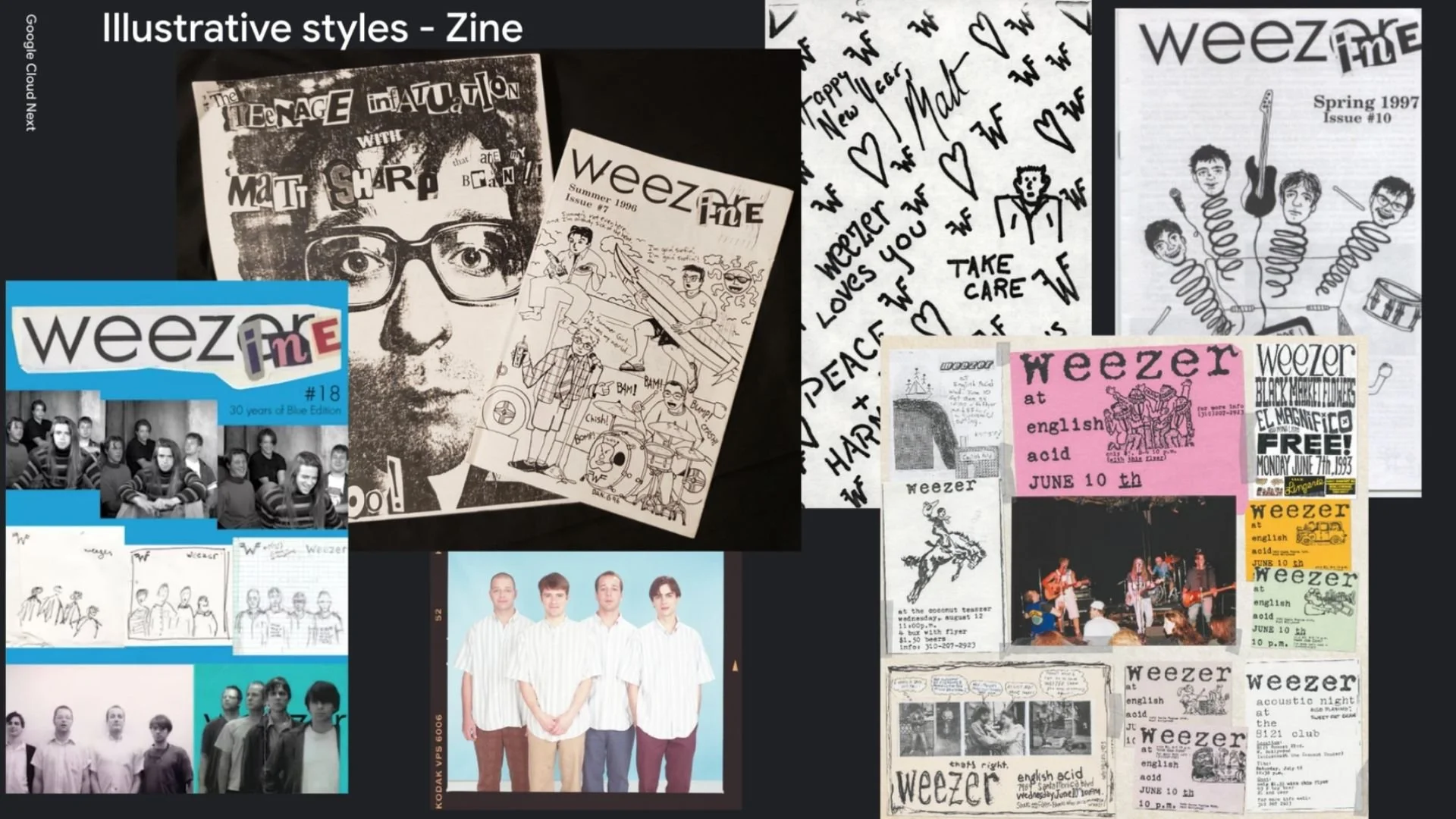
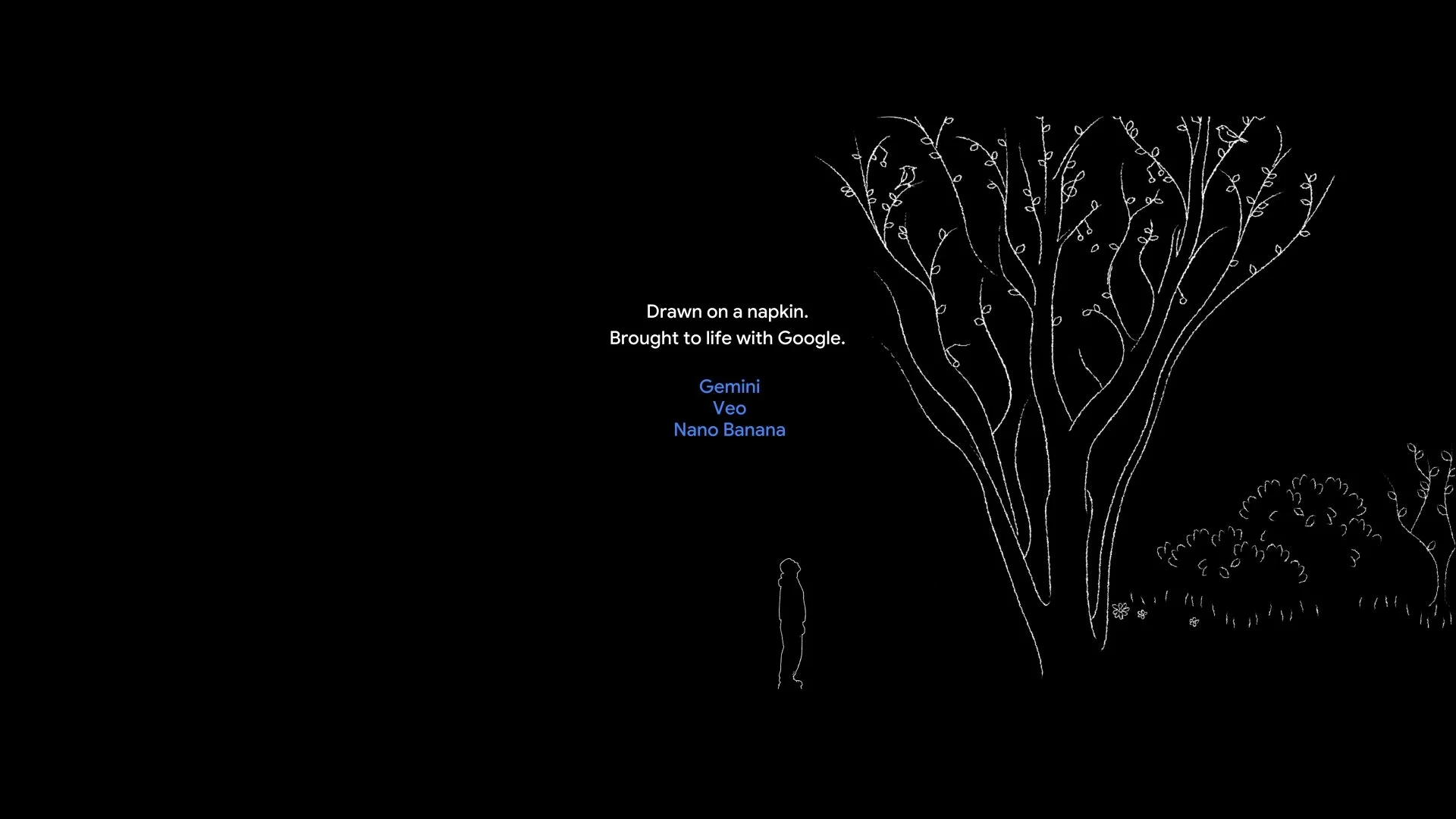
Storyboarding with Gemini and Nano Banana 2 – source material from Google.
Modular task chains
On this project, we didn't just type a prompt and hope for a lucky result. Our powerhouse team of AI Artists – Frank Capezzuto III, Kenley Lundy, Porter Hodgkiss, Justin Dykhouse, Tony Kwok, Ella Roberts, and Joe Salazar – utilized a modular pipeline to chain multiple models together. They moved from Gemini text to Nano Banana 2 storyboards to Veo 3.1 cinematic motion. If a shot needed a lighting tweak, the artists could simply update an individual node without re-generating the entire sequence. This check-and-balance logic allowed for massive creative iteration quickly.
Directorial control
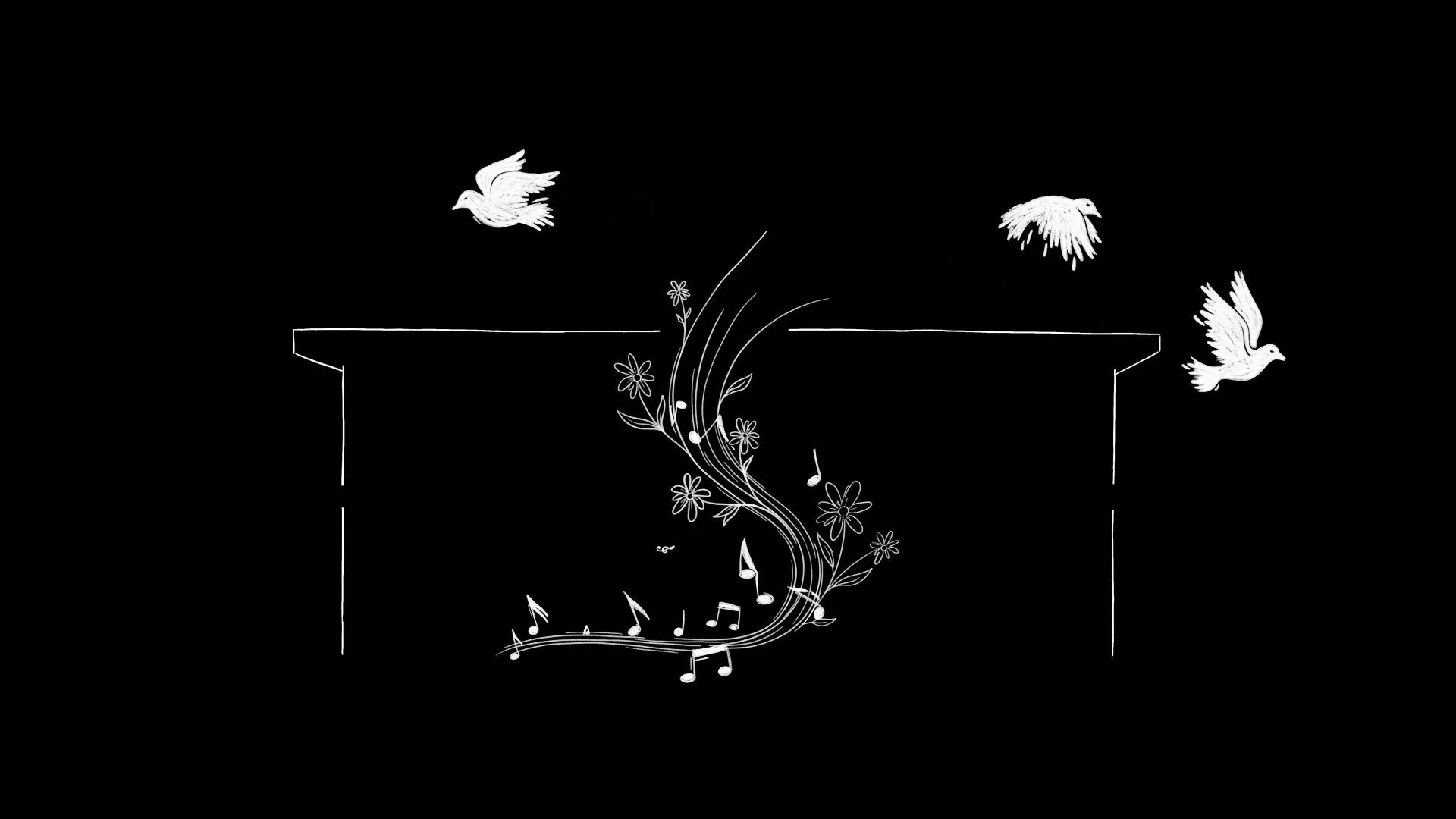
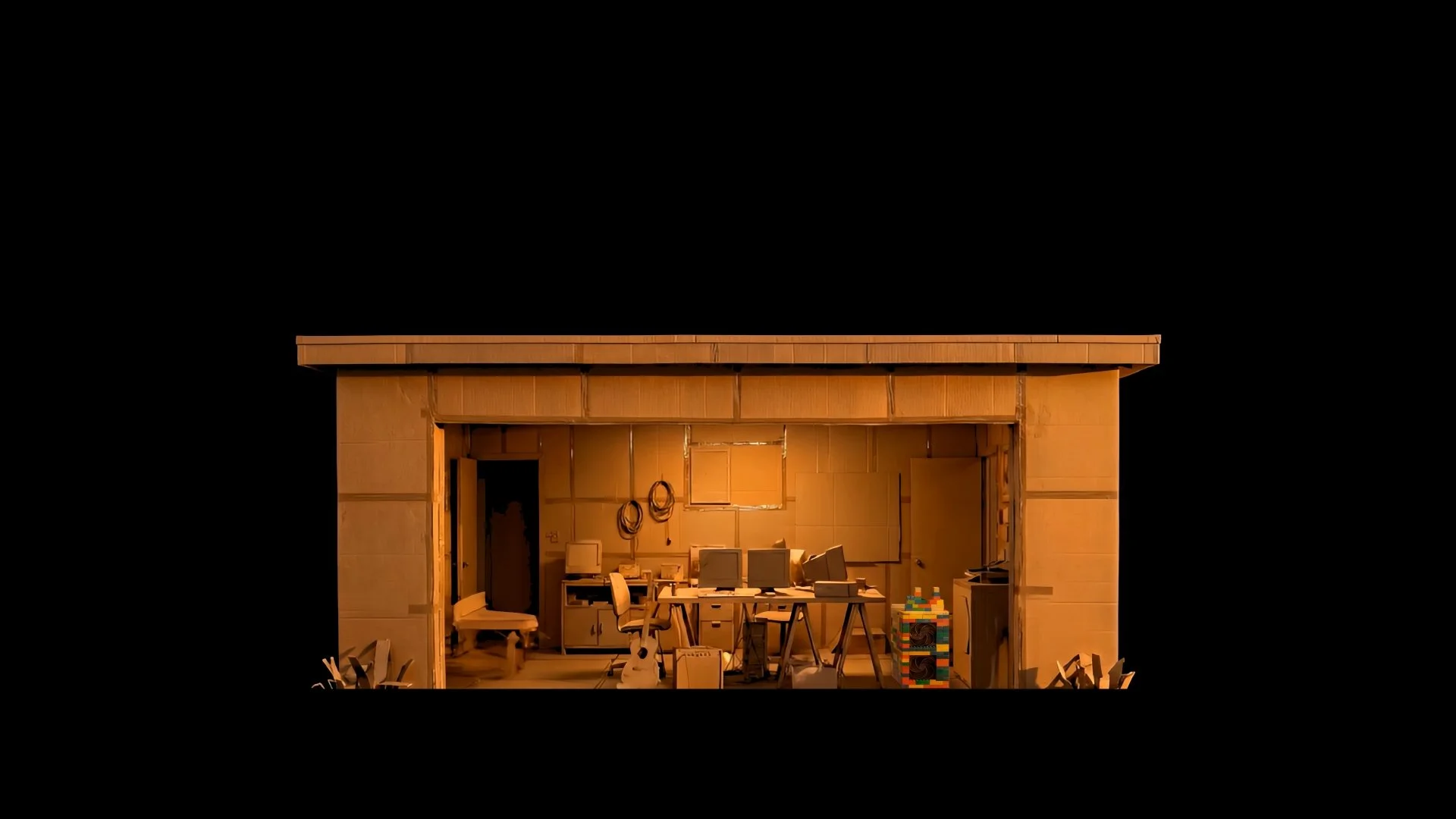
To bring precision to the process, the team treated AI as an additional layer within a traditional VFX pipeline. Compositor Brooke Grossmann worked to lock specific start and end frames for every sequence, providing the essential boundaries for the production. By leveraging Veo’s ability to generate motion between these points, the team gained a level of control that allowed them to lock the vision first and iterate easily.
The workflow was a true hybrid of man and machine: Lead Animator Mike Ryan would take initial Veo generations from AI Artist Tony Kwok and layer his own hand-animation on top of them. Meanwhile, Compositor Brandon McMenamin developed bespoke composition solutions for specific asset edits. This collaborative approach ensured that if a shot needed a tweak, the team could address it directly rather than having to re-generate the entire video performance from step one.
Collaboration at scale
Because Nodey uses node graphs, every complex task is a "recipe" that can be saved as a tiny file and shared instantly. If a specific shot was proving difficult, an artist didn't have to struggle alone; they could save their node graph and the whole team could jump on it to help refine the logic together. This turned technical troubleshooting into a shared team effort, keeping us moving at pace.
Studio-grade delivery
Ensuring the final product was "production-ready" required a specialized technical backbone. Pipeline Engineer Andrew Bueno architected the rendering pipeline, establishing the cadences, folder structures, and naming conventions – alongside key automations – that allowed the team to function at scale.
Once the creative sequences were locked, Harimandar Khalsa (Upscale Lead) managed the transition to high definition. This involved extensive R&D to optimize settings for each specific shot and rigorous Upscale Quality Control (QC) to maintain the quality bar. Editorial Lead Russel Fong then prepped these refined shots into final sequences for MP4 reviews, ensuring a seamless flow for the client.
This meticulous process, supported by Alyssa Lizarraga (QC and I/O) and Alicia Mirelez (Operations), ensured that while the initial logic was AI-generated, the final output met studio-grade delivery standards. The entire operation leveraged Google Cloud’s TPU-based compute infrastructure to handle the massive processing requirements of the 17-day sprint.
From concept to keynote in record time
It isn’t every day you’re asked to help set the tone for Google Cloud Next. Telling Google's story – using the very tools they are currently pioneering – was a landmark challenge for our team and the perfect opportunity to use our own toolkit.
Nodey served as the essential bridge that transformed generative AI into a collaborative production stage. By removing fragmented workflows and providing frame-by-frame control, it ensured the technology remained an extension of the artist’s hand rather than a replacement for it. As we look toward a future of agentic AI, we aren't just making content; we’re building the frameworks that allow human creativity to finally keep pace with imagination.